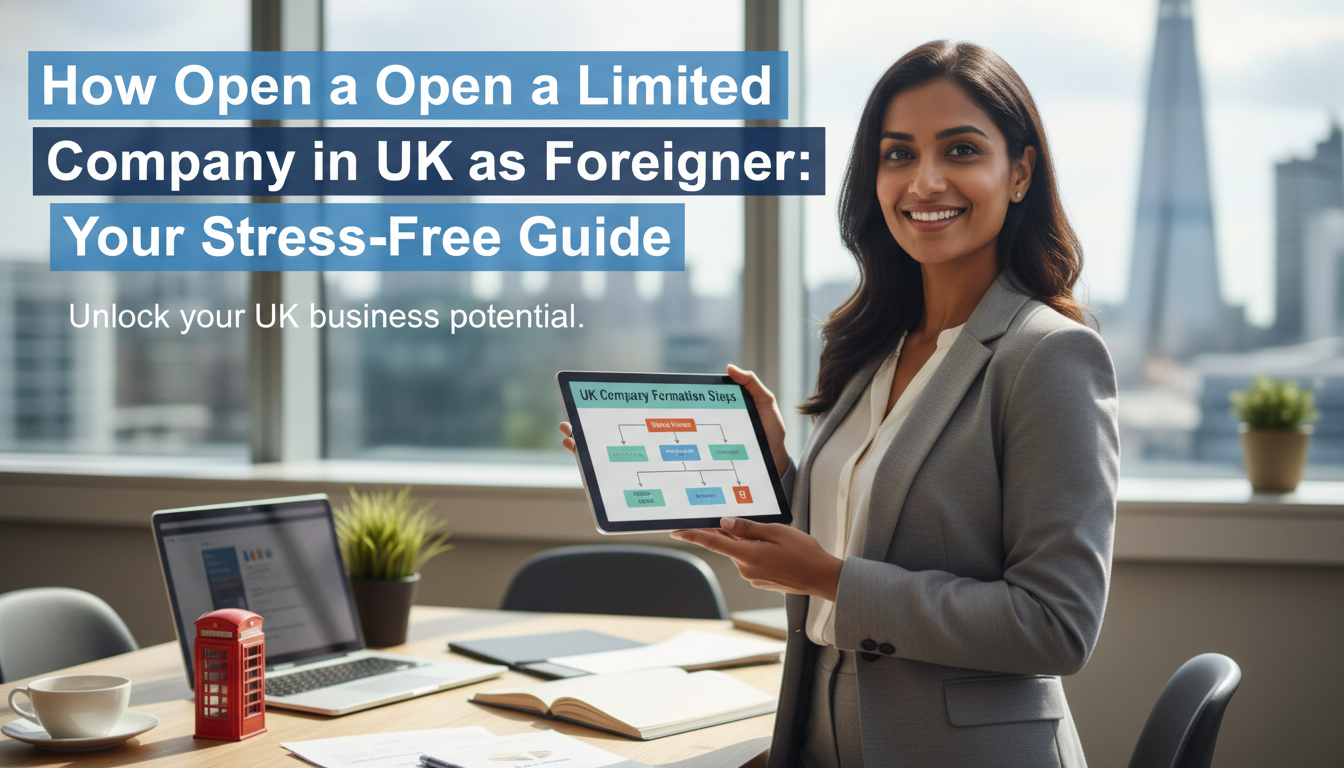
So, You Want to Be Your Own Boss in the UK?
Moving to a new country is a massive adventure on its own, but starting a company there? That is next-level exciting! If you are wondering how expats can start a business in UK, you have come to the right place. The UK is actually one of the most entrepreneur-friendly places in the world, with a straightforward registration process and a massive market. Whether you are in London, Manchester, or a cozy village in the Cotswolds, the dream of running your own show is totally within reach.
First Things First: Check Your Visa Status
Before you start picking out office furniture, you need to make sure your legal paperwork is in order. This is the most crucial step in how expats can start a business in UK. Not all visas allow for self-employment or business ownership.



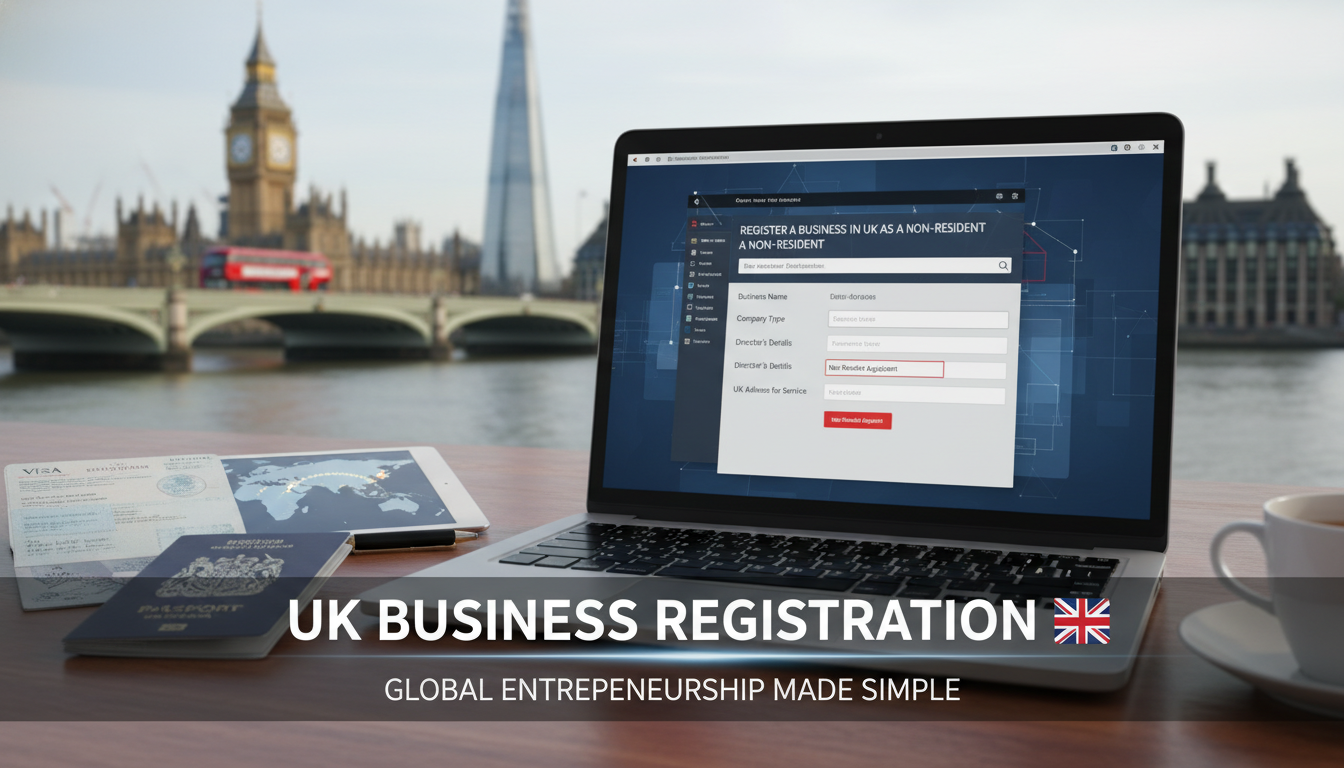


- Innovator Founder Visa: Specifically for those with a unique, scalable business idea.
- Skilled Worker Visa: Generally for employment, but there are specific rules if you want to branch out.
- Indefinite Leave to Remain (ILR): If you have this, you are pretty much good to go with very few restrictions!
Always double-check the latest Home Office guidelines because rules can change faster than the British weather!

Choosing Your Business Structure
One of the biggest decisions in how expats can start a business in UK is deciding how to structure your venture. Most people go for one of these two:
1. Sole Trader
This is the simplest way to get started. You and the business are seen as a single legal entity. It is easy to set up, but keep in mind that you are personally responsible for any business debts.
2. Limited Company
A limited company is its own legal entity, separate from you. This means your personal assets are protected if things go south. It involves a bit more paperwork and filing with Companies House, but it often looks more professional to big clients.
Registering with HMRC
Whatever structure you choose, you have to tell the taxman! Registering with HM Revenue and Customs (HMRC) is a non-negotiable part of how expats can start a business in UK. You will need to register for Self Assessment (if you are a sole trader) or Corporation Tax (if you are a limited company). Also, keep an eye on the VAT threshold—if your turnover goes over £90,000, you will need to register for VAT too.
Opening a Business Bank Account
This can sometimes be a bit of a hurdle for expats since many high-street banks want to see a long UK credit history. Don’t sweat it, though! Many expats find luck with digital-first banks like Monzo, Revolut Business, or Starling, which tend to have much smoother onboarding processes for newcomers.
Final Thoughts
Learning how expats can start a business in UK might seem like a lot of steps, but it is a very logical process once you get going. Focus on your visa first, pick your structure, get registered, and you are officially a British business owner. Good luck with your new venture—the UK is waiting for what you have to offer!